The market
Azizi's May sales and the depth of Dubai demand
One developer led every other in Dubai on off-plan units sold last month. What that result tells you about where buyers are committing, and how to read a league table properly.
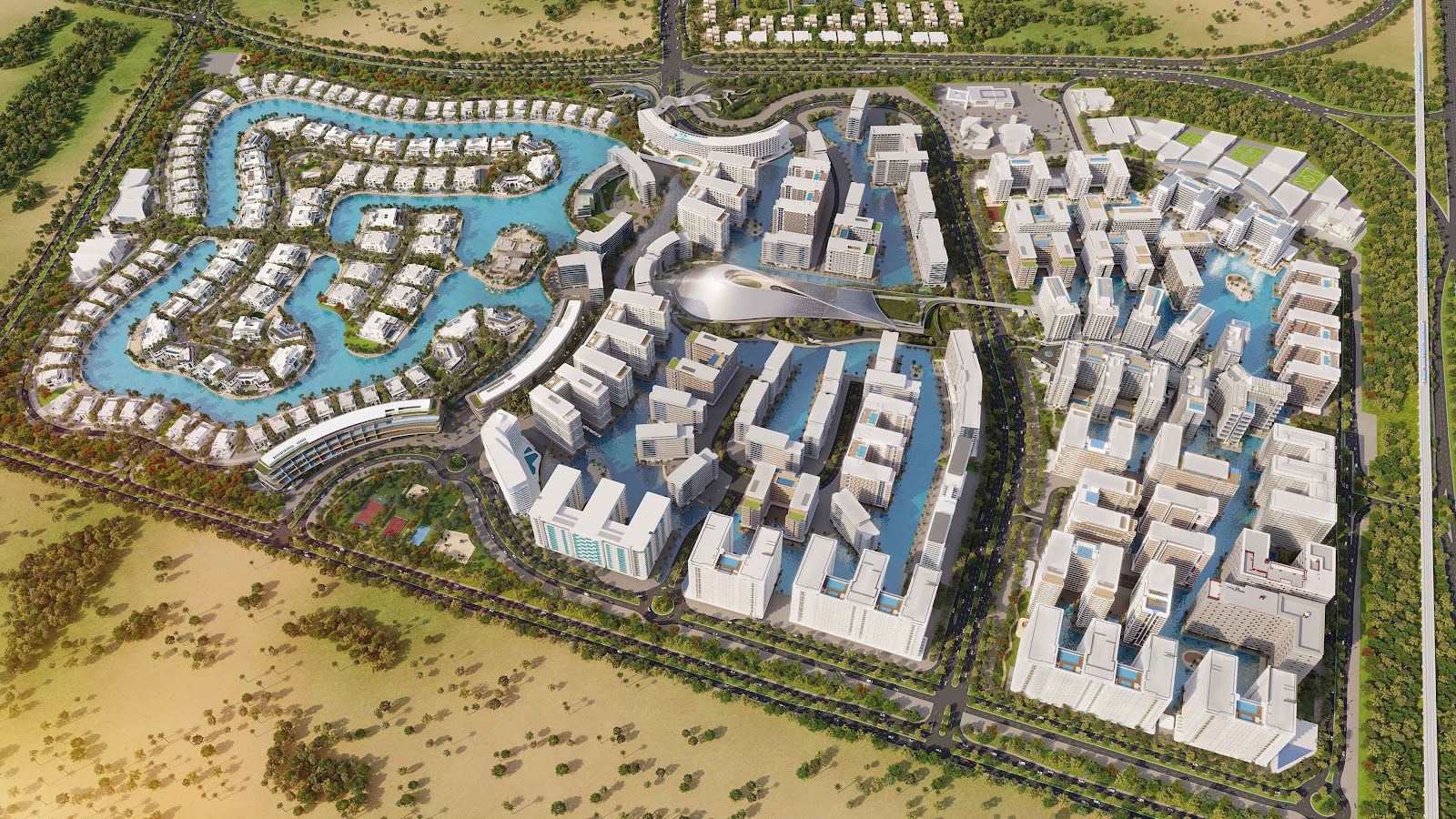
Azizi Developments closed May 2026 at the top of Dubai's off-plan table: 1,601 transactions worth AED 1.46 billion. First across the emirate by units sold, second by total value, with the developer reporting that the pace carried into June. It is a commanding month, and the mechanics behind it are more instructive than the headline.
What the figure actually measures
Off-plan volume counts commitments made on property that does not yet exist. Every one of those 1,601 transactions is a buyer who read a specification, examined a payment plan, weighed a delivery timeline, and signed. Nobody walked a finished apartment. They bought a plan and a track record.
That is what makes volume such a useful signal. Secondary transactions tell you what buyers think of a building they can stand inside. Off-plan transactions tell you what buyers think of a developer's ability to deliver, and of the emirate they are delivering in. Sixteen hundred of them inside one month is a substantial vote.
Units and value say different things
The two rankings measure different qualities, and the gap between them is where the information sits.
A developer can lead the value table on a modest number of very large transactions. One tower of penthouses moves the figure. Leading the unit table is harder in a specific way: it requires many separate buyers, making many separate decisions, across many separate price points. That is breadth. It describes the width of the buyer base rather than the size of the biggest cheque.
First by units and second by value together describe a portfolio pitched where the largest number of buyers can actually reach it. Demand at that end of the market is the demand that keeps transacting through every kind of year, because it is driven by people who need somewhere to live and by investors buying at ticket sizes they can repeat.
"Even amid broader uncertainty and a more cautious global environment, Dubai's real estate market remains among the most resilient and appealing in the world," said Farhad Azizi, Group CEO of Azizi Developments.
That framing is worth taking seriously, because it is testable against exactly this kind of data. Confidence is easy to assert and hard to fake at scale. Sixteen hundred registered commitments in thirty-one days is confidence with a signature attached.
Read it honestly, then read it again
One month is a snapshot, and league position moves with launch timing — a developer that brought several projects to market in May will naturally out-register one that brought none. That is worth knowing before you treat any single month as a verdict.
What lifts this result above the snapshot is continuation. Strong activity into June suggests the month reflected standing demand rather than a launch spike. Repetition is the quality that separates a good month from a market position, and it is the pattern to watch for in any developer you are assessing.
Putting it to work in your decision
Sales volume is a strong input, and it is not the whole picture. Here is how to use it well.
- Treat volume as evidence of delivery confidence. Buyers commit off-plan to developers they expect to complete. Sustained volume is the market pricing that expectation.
- Compare like with like. A volume leader and a value leader are running different models. Establish which one matches the property you actually want.
- Look past the month to the record. Handover history, build quality across completed phases, and how a developer behaves when a project runs late — these decide your experience as an owner. Sales tables do not capture them.
- Match the product to your purpose. Broad, accessible price bands transact readily. Whether a particular unit within them suits an end-user, a long-let or a shorter-let strategy is a separate question with a separate answer.
Dubai rewards buyers who work from evidence, and the evidence here is genuinely good: a deep buyer base, committing forward, across a wide range of price points, at a scale that few markets in the world can show. That is the environment you are buying into.
Deciding which developer, which building and which unit inside it belongs to you is the next question — and it is the one we are built to answer. If you would like an independent read on any of it, we would be glad to talk.