market intelligence
What selling 1,601 homes in a month takes
Azizi registered 1,601 off-plan transactions worth AED 1.46 billion in May 2026, leading Dubai by units sold. The operational machinery behind a number like that is genuinely impressive, and worth understanding.
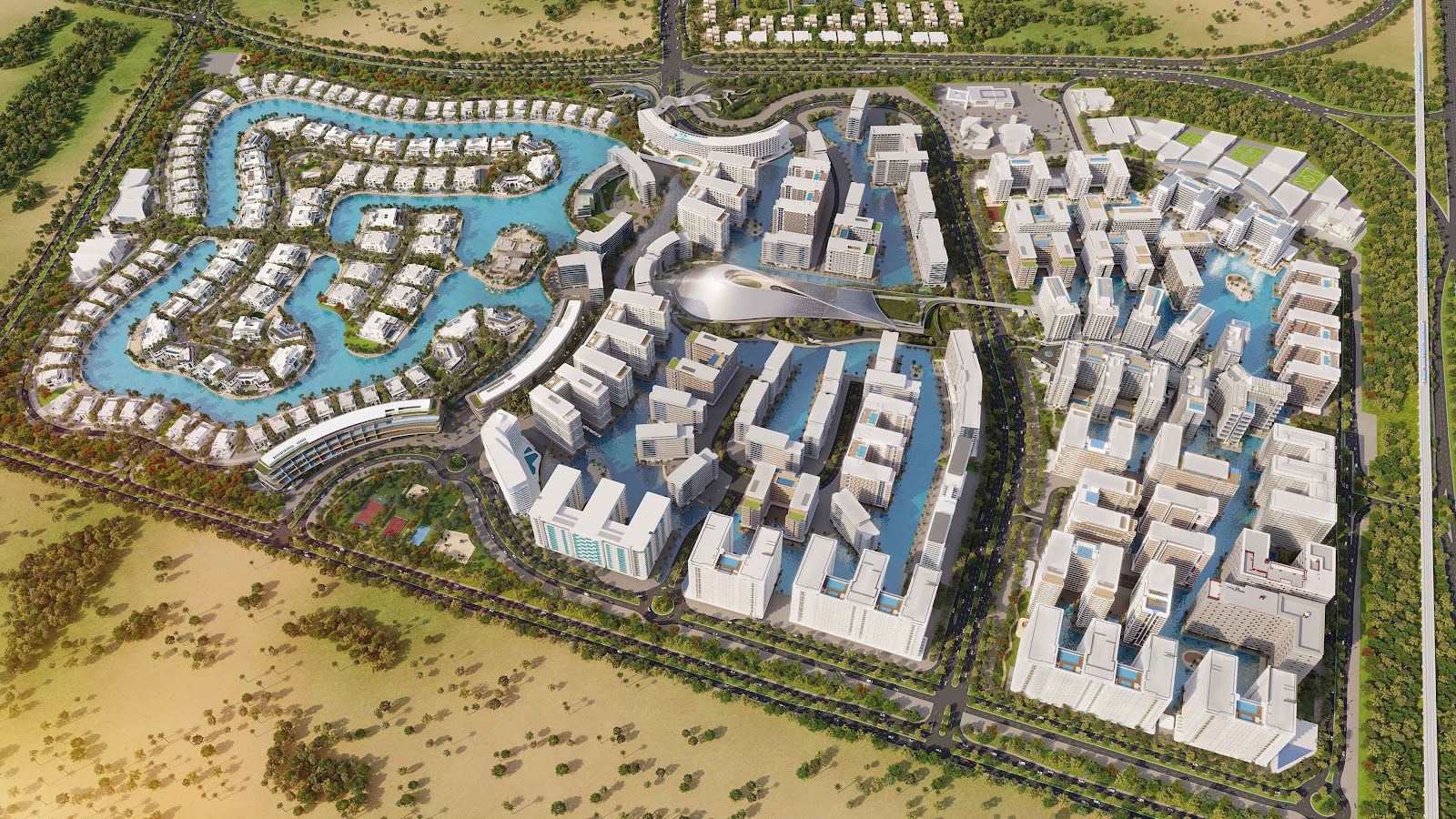
Numbers like this are easy to skim past. Azizi Developments registered 1,601 off-plan transactions in May 2026, worth AED 1.46 billion, placing first among all Dubai developers by units sold and second by total value. Read quickly, it is a line in a press release. Read properly, it describes something quite hard to do, and the mechanics of how it gets done are worth your attention — whichever developer you eventually deal with.
The arithmetic of a record month
Start with the pace. 1,601 transactions across a single month is more than fifty registered sales a day, sustained, including weekends. Every one of those is a separate buyer with a separate set of questions, a separate financing position, and a separate signature on a sale and purchase agreement.
That volume does not come from enthusiasm. It comes from infrastructure: sales teams large enough to hold that many simultaneous conversations, a channel partner network with real reach, documentation processes that don't jam under load, and an escrow and registration pipeline that can absorb the throughput without errors accumulating. Any one of those failing would show up immediately as a bottleneck. None of them apparently did.
The value figure adds the second half of the picture. AED 1.46 billion across 1,601 units gives an average ticket of roughly AED 910,000 — which places the operation squarely in the accessible end of the market. Leading by volume while sitting second by value is exactly what you'd expect from a developer built around that segment, and it's a coherent, deliberate position rather than an accident.
Why the accessible segment is harder, not easier
There is a tendency to assume that high-volume, moderate-ticket development is the simpler business. It generally isn't.
A developer selling a small number of large-ticket units deals with fewer counterparties, longer sales cycles and more forgiving margins. A developer working at AED 910,000 average has to be right about cost control at every stage, because the buffer is thinner. It has to manage far more buyer relationships for the same revenue. And it has to keep a construction pipeline moving that is measured in thousands of units rather than dozens.
Volume at this price point is a manufacturing problem before it is a sales problem.
Getting that to work at scale, in a market with the delivery expectations Dubai has, is a real operational achievement. It also has a genuine public function: this is the segment that produces housing for people earning ordinary salaries, and a developer that can produce it reliably is doing something the emirate needs.
What this tells you about the market
Dubai now supports several distinct product tiers running simultaneously, at meaningful scale, in the same month. One developer can lead on contracts signed while another leads on capital committed, and both are viable, well-populated businesses. That structural depth is a sign of a market that has matured past a single price point — and it is the thing that makes the emirate legible to buyers with very different budgets.
For you, the practical value is choice. A market with this many active tiers means there is almost always somewhere sensible to look, and you are rarely forced to stretch into a segment that doesn't suit you.
Using the figure well
Treat a monthly volume number as information about the developer's operation, which is what it is and what it's good at describing:
- Scale and reach. A firm transacting at this rate has completed buildings you can walk, residents you can talk to, and comparable units you can view. That accessibility is worth a great deal when you're doing your own checks.
- Segment fit. The average ticket tells you in one step whether this developer is relevant to your budget.
- Process maturity. Volume of this kind implies documentation and registration processes that have been tested hard. That tends to make transactions smoother.
Then do the ordinary work on your own account. The escrow position, the payment schedule and what happens to it if construction slips, a stress-tested service charge estimate, and the specific unit's floor and orientation. A strong month for a developer is a fact about the developer; the merits of any particular unit are established by different documents entirely, and those are the ones that should decide it.